
In the world of celebrity, fame can feel eternal. We see them on our screens, hear them on the radio, and read about them in magazines until they become a permanent fixture in our culture. They are giants, untouchable figures on a pedestal of public adoration. But what happens when that pedestal shatters in a single, catastrophic moment? What happens when one mistake, one controversy, one dark secret comes to light and triggers a scandal so massive it erases a career overnight? Tonight, we delve into the stories of those who were at the very top of their game, only to be engulfed by a firestorm of their own making. They didn’t fade away; they were wiped off the map. This is the story of 21 stars who mysteriously vanished after one massive scandal.
21 Stars Who Mysteriously Vanished After One Massive Scandal
Gina Carano
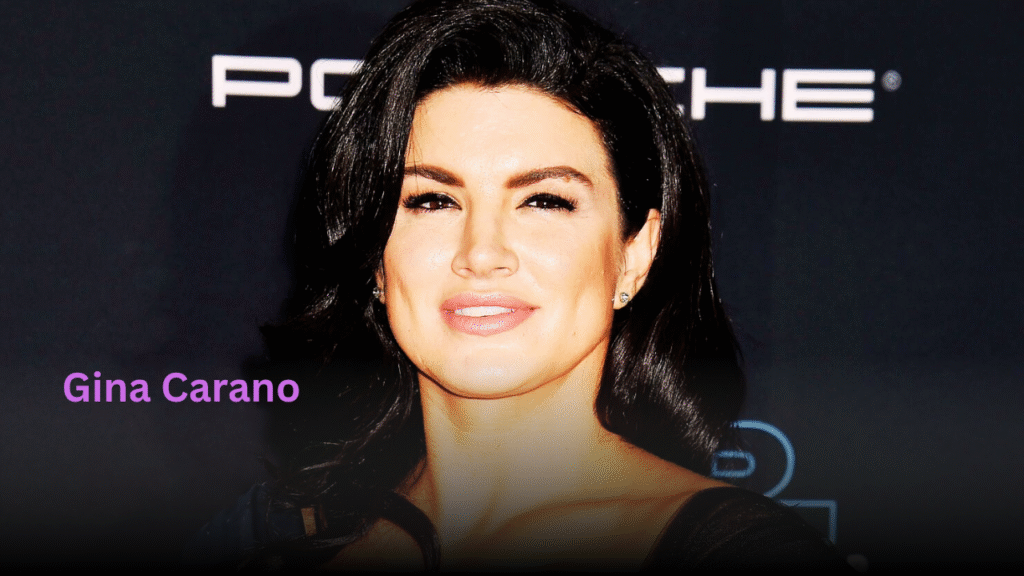
First, we have a star whose vanishing act was as swift as it was brutal. Gina Carano was on a clear upward trajectory. After a successful career as an MMA fighter, she transitioned into acting, landing roles in major films like Deadpool. Her big break came with the role of Cara Dune in Disney’s flagship series, The Mandalorian. She was a fan favorite, a powerful new hero in the Star Wars universe with merchandise and potential spin-offs on the horizon. But her career came to a dead stop because of one specific scandal. Over a period of time, she shared a series of increasingly controversial social media posts, culminating in one that compared the political climate for conservatives to the persecution of Jews in Nazi Germany. The backlash was instantaneous and overwhelming. Within 48 hours, Lucasfilm issued a statement firing her, calling her posts “abhorrent and unacceptable.” She was instantly vanished from the Star Wars galaxy, her character erased, and her mainstream Hollywood career was over.
Armie Hammer
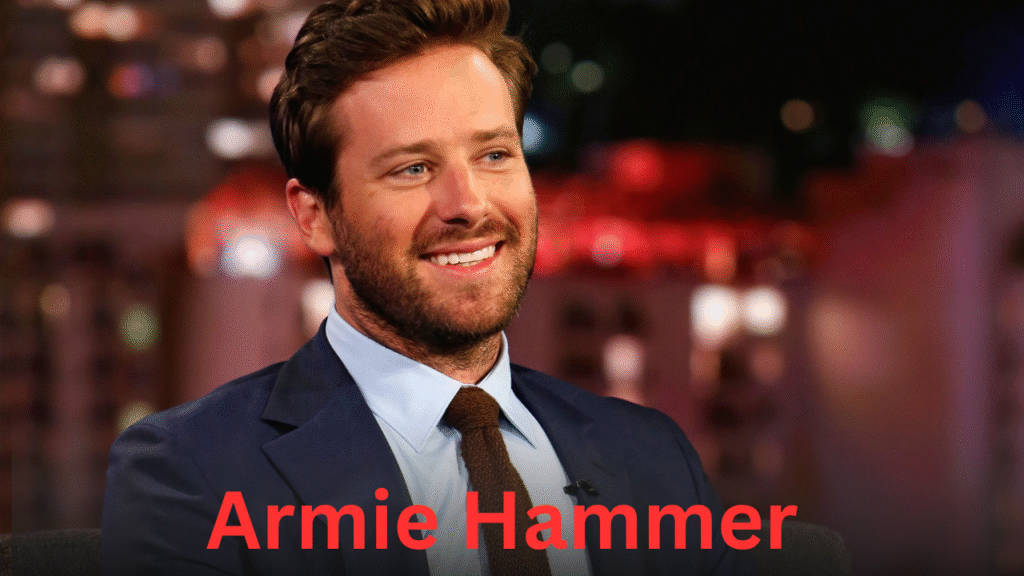
Armie Hammer was the epitome of a modern Hollywood leading man. Handsome, charismatic, and with a name that echoed classic stardom, he was a critical darling in films like The Social Network and Call Me by Your Name. He was on every shortlist, with a bright future ahead of him. His scandal, however, was uniquely dark and unsettling. In January 2021, a series of unverified, explicit messages were leaked by an anonymous social media account. These messages, allegedly from Hammer, detailed disturbing fantasies involving BDSM, violence, and cannibalism. What started as a bizarre online rumor quickly escalated as multiple women came forward with allegations of emotional abuse and sexual assault. The fallout was total. In a matter of weeks, he was dropped by his talent agency, fired from every upcoming film and television project, and he completely withdrew from public life. He vanished, leaving behind a chilling story that seemed ripped from a horror film.
Kevin Spacey
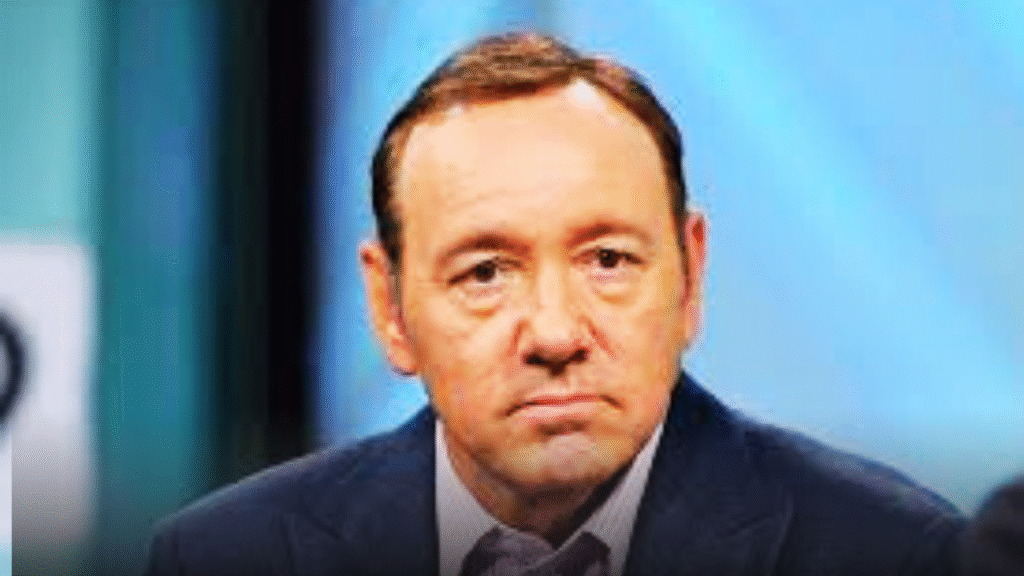
The vanishing of Kevin Spacey was an event that shook Hollywood to its core. He wasn’t just a star; he was an institution. A two-time Academy Award winner, a respected theater director, and the lead of the cultural phenomenon House of Cards, he was at the absolute peak of his power. The scandal that erased him began in October 2017 when actor Anthony Rapp accused Spacey of making a sexual advance toward him when Rapp was just 14 years old. That single allegation opened the floodgates. Dozens more men came forward with similar stories of misconduct and assault. The industry’s reaction was seismic. Netflix fired him from his own show, his completed role in the film All the Money in the World was famously reshot with another actor, and he was publicly condemned. He went from being one of the most respected actors alive to a complete pariah overnight, his legacy incinerated by the weight of the accusations.
Jussie Smollett
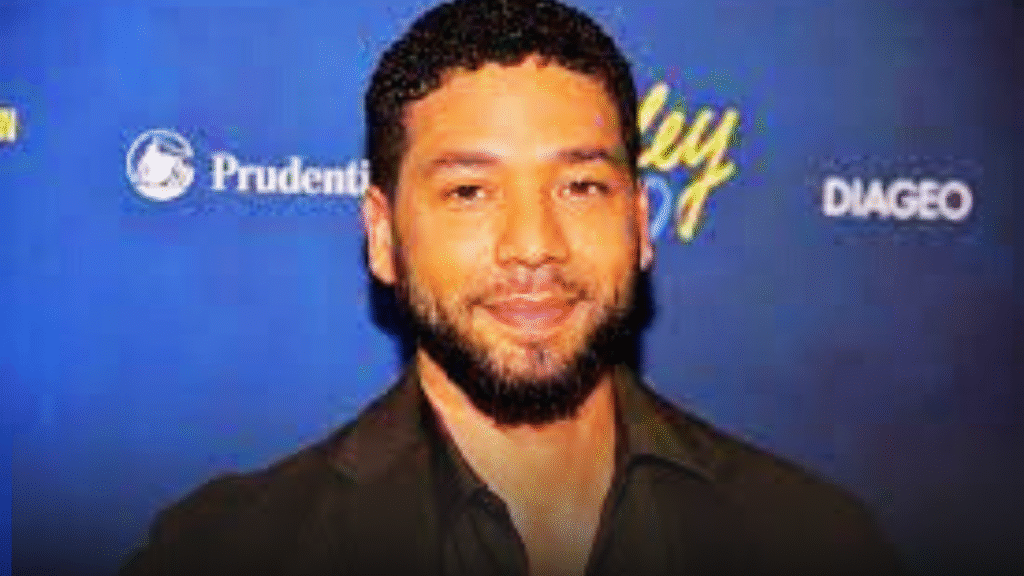
Jussie Smollett was a rising star on the hit television series Empire. His role as the talented and openly gay musician Jamal Lyon was groundbreaking and earned him critical acclaim. He was using his platform to advocate for social justice issues and was beloved by the show’s massive fanbase. Then came the scandal that would not just end his career, but turn his name into a punchline. In January 2019, Smollett claimed he was the victim of a racist and homophobic attack in Chicago. The story drew national outrage and an outpouring of support. But as police investigated, his story began to unravel. The stunning conclusion was that Smollett had allegedly staged the entire attack himself. The hero became the villain of his own narrative. He was written out of Empire, and the scandal, a bizarre and self-inflicted wound, made him a toxic figure in the industry. He vanished from our screens, his career destroyed by a controversy of his own creation.
Roseanne Barr
In 2018, Roseanne Barr was on top of the world. The revival of her classic sitcom, Roseanne, was a ratings juggernaut, celebrated by critics and audiences alike. She was hailed as a hero for bringing a working-class perspective back to television. The show was the biggest success story of the year. It all came crashing down because of a single, late-night tweet. In May 2018, Barr posted a racist remark about a former Obama administration official. The public condemnation was swift and absolute. Less than 12 hours later, ABC, the network behind her show, cancelled the series, calling her comment “abhorrent.” The vanishing act was immediate. Her show was retooled without her, her talent agency dropped her, and she was ostracized by the industry. In the span of a morning, she went from the star of the number one show on television to a disgraced exile.
Michael Richards
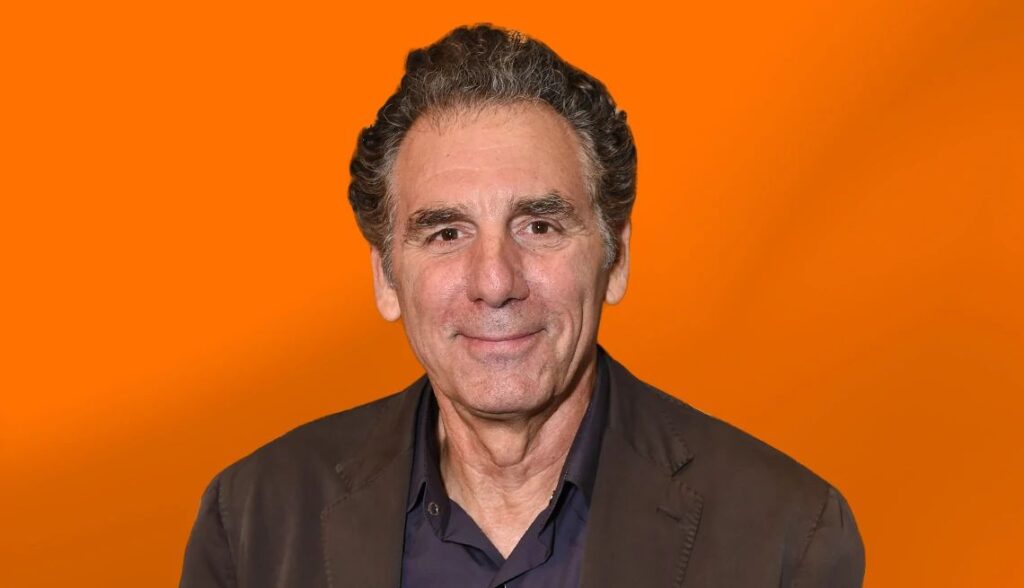
For a decade, Michael Richards was a television icon. As the eccentric, wild-haired Cosmo Kramer on Seinfeld, he created one of the most beloved characters in sitcom history, winning three Emmy Awards for his masterful physical comedy. After the show ended, he was a celebrated and universally adored figure. His career effectively ended on the night of November 17, 2006. While performing a stand-up set at the Laugh Factory in Hollywood, Richards was heckled by a group of audience members. He responded with a shocking, prolonged, and hate-filled racist tirade, which was captured on a cell phone camera. The footage went viral. The man who had brought so much joy as Kramer was now seen as a figure of pure hate. Despite a public apology on the Late Show with David Letterman, the damage was irreparable. He retreated from public life almost entirely, his comedic legacy forever stained by that one night of fury.
Paula Deen
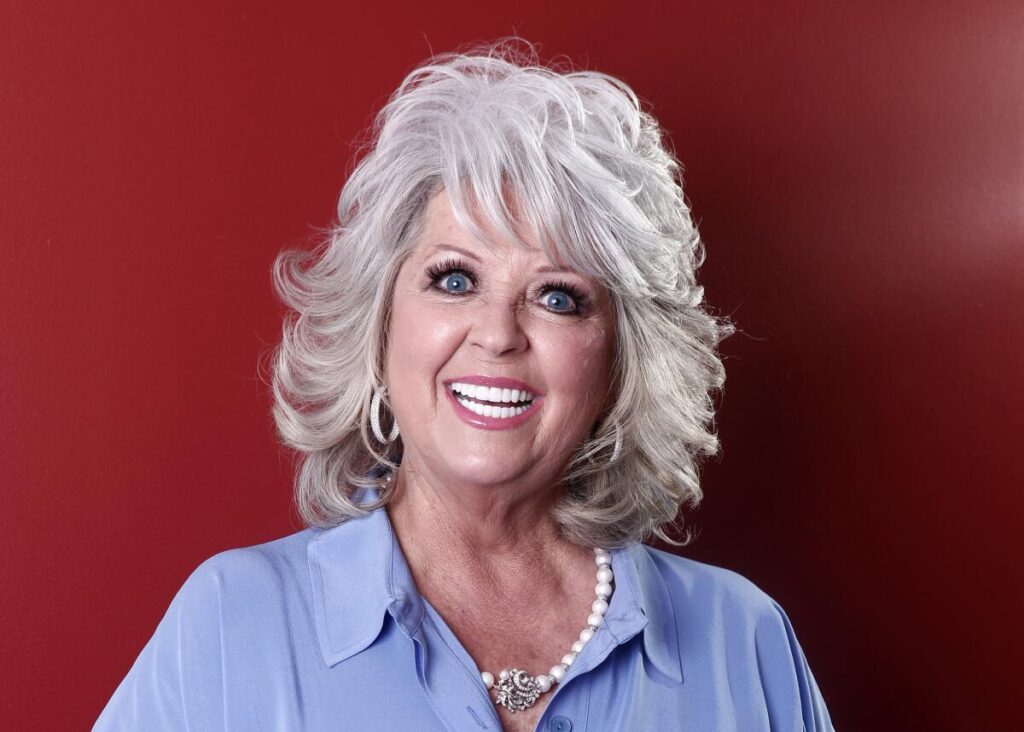
Paula Deen built an empire on Southern charm. As a celebrity chef on the Food Network, she was the queen of comfort food, with multiple TV shows, bestselling cookbooks, and a line of branded products. Her folksy, down-home personality made her a beloved, non-controversial figure. Her empire crumbled in 2013 due to a single legal deposition. In a lawsuit filed by a former employee, Deen was asked under oath if she had ever used racial slurs. She admitted that she had. When the deposition transcript became public, the scandal exploded. Despite a tearful apology tour, the fallout was catastrophic. The Food Network fired her, her publisher dropped her, and major retailers pulled her products from their shelves. The folksy grandma persona was shattered, and her massive brand vanished in a matter of days, all stemming from that one candid admission.
Isaiah Washington
In the mid-2000s, Grey’s Anatomy was the biggest show on television, and Isaiah Washington was one of its biggest stars. His portrayal of the brilliant surgeon Dr. Preston Burke earned him critical acclaim and a devoted fanbase. He was at the center of a cultural phenomenon. His vanishing act began with a single, ugly word. In October 2006, reports surfaced of an on-set altercation where Washington used a homophobic slur. The controversy simmered for months, but it boiled over at the Golden Globes when Washington, attempting to deny the story, inexplicably repeated the slur to the press backstage. The public outcry was deafening. The scandal became a major crisis for the network, and at the end of the season, Washington was fired from the show. The once-celebrated actor was now seen as a liability, and his career as a mainstream, leading man was effectively over.
Tila Tequila
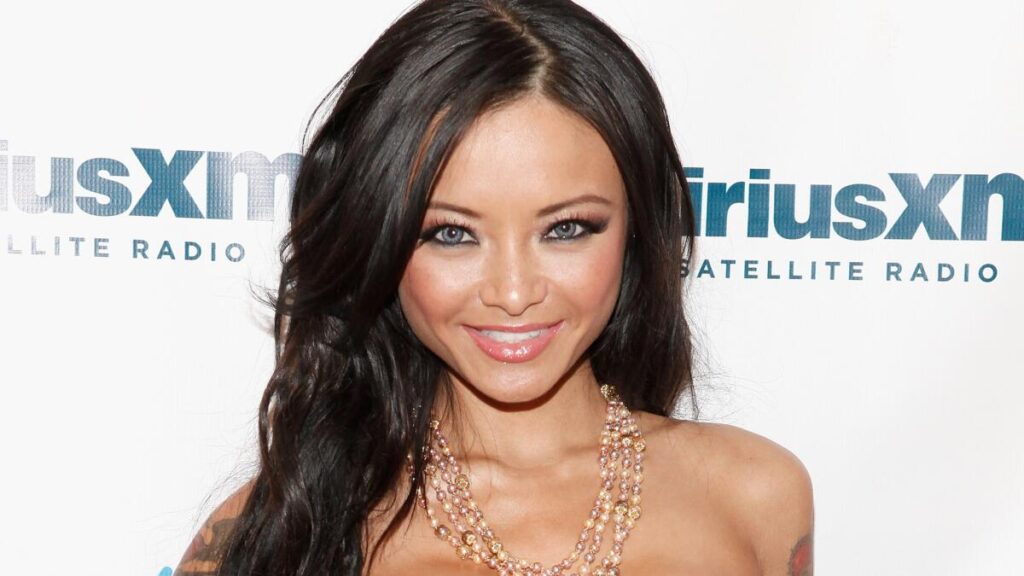
Tila Tequila was a pioneer of the social media age. She rose to fame on MySpace and became a reality TV sensation with her hit MTV dating show, A Shot at Love with Tila Tequila. She was a omnipresent figure in mid-2000s pop culture, famous for simply being famous. Her career came to an end due to a shocking and bizarre scandal. In 2013, she began publicly expressing support for Nazism. She posted an article titled “Why I Sympathize with Hitler” and shared photos of herself in Nazi regalia in front of a concentration camp backdrop. The public was horrified. While she had been out of the mainstream for a bit, this act made her radioactive. She was kicked out of the Celebrity Big Brother house in 2015 after the posts resurfaced. Her embrace of hate ideology was a scandal from which there was no return, leading to her complete disappearance from public life.
Pee-wee Herman (Paul Reubens)
Paul Reubens’s character, Pee-wee Herman, was a cultural icon in the 1980s. With the hit kids’ show Pee-wee’s Playhouse and multiple feature films, Pee-wee was a symbol of innocent, quirky fun beloved by children and adults alike. The entire Pee-wee empire came crashing down on the night of July 26, 1991. Paul Reubens was arrested for indecent exposure in an adult movie theater in Florida. The scandal was a shocking juxtaposition: America’s favorite children’s entertainer caught in a seedy situation. The backlash was immediate. CBS dropped reruns of his show, toy stores pulled Pee-wee merchandise from the shelves, and his career was instantly derailed. For years, Reubens vanished from the public eye, unable to escape the shadow of a single, embarrassing, and career-defining scandal. He eventually made a comeback, but the innocent magic of the character was lost for a long time.
Kellie Shanygne Williams (Laura Winslow)
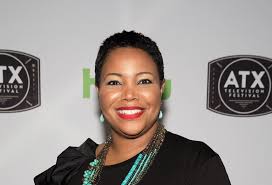
As Laura Winslow on the long-running sitcom Family Matters, Kellie Shanygne Williams was a familiar face in millions of homes for nearly a decade. She was the smart, dependable girl-next-door and the object of Steve Urkel’s affection. When the show ended in 1998, she was a well-known actress with a seemingly bright future. Then, she vanished. Her disappearance wasn’t due to a scandal of her own making, but from the fallout of a massive controversy involving her then-boyfriend. She was in a relationship that ended in a highly publicized and contentious legal battle, complete with restraining orders and intense media scrutiny. The messy and public nature of the scandal, though she was the victim, unfortunately overshadowed her professional life. In the aftermath, she chose to step away from the Hollywood spotlight almost entirely, opting for a quiet life away from the industry that had been her home since childhood.
Ashlee Simpson
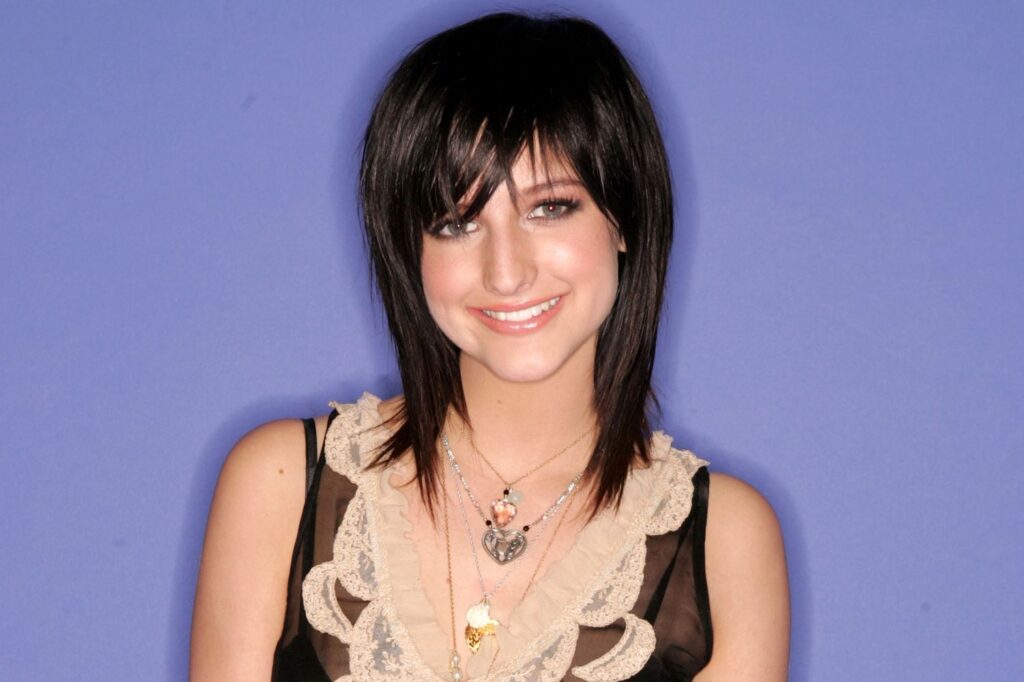
In 2004, Ashlee Simpson was positioned as the next big thing in pop music. With a hit debut album, a reality TV show, and a famous last name, she was a rising star. Her career momentum was completely obliterated by one disastrous television performance. On October 23, 2004, while performing as the musical guest on Saturday Night Live, she was caught lip-syncing. When the wrong vocal track began to play, a flustered Simpson did an awkward jig and then walked off stage. The incident became a national joke and a symbol of pop inauthenticity. The backlash was so intense that she was booed at her own performance at the Orange Bowl a few months later. That single moment of technical failure destroyed her credibility. Her music career never recovered from the scandal, and she largely vanished from the pop landscape.
Elizabeth Berkley
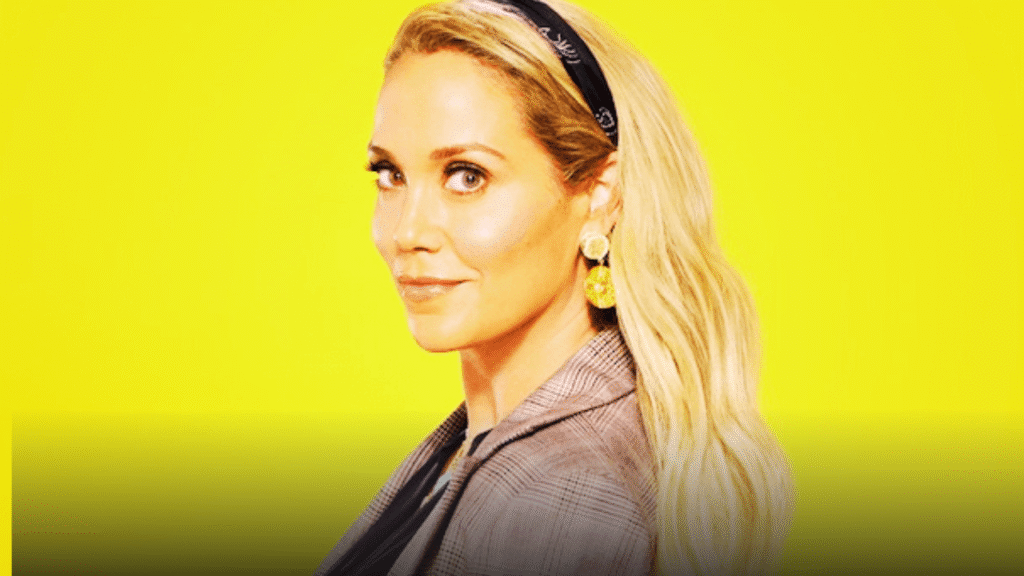
As the studious Jessie Spano on the beloved show Saved by the Bell, Elizabeth Berkley was a wholesome teen idol. When the show ended, she was eager to shed her good-girl image and prove her acting chops. She took a massive gamble with the lead role in the 1995 film Showgirls. The film, with its explicit content and over-the-top acting, was meant to be her breakout adult role. Instead, the scandal surrounding the film’s release destroyed her career. It was universally panned by critics and became a legendary box office bomb. Berkley’s performance was viciously ridiculed, and the film’s controversial nature made her a pariah in Hollywood. The single decision to star in that movie effectively ended her trajectory as a leading lady. She was dropped by her agent and found it nearly impossible to get auditions, vanishing from the mainstream roles she had worked so hard to achieve.
Kirk Cameron
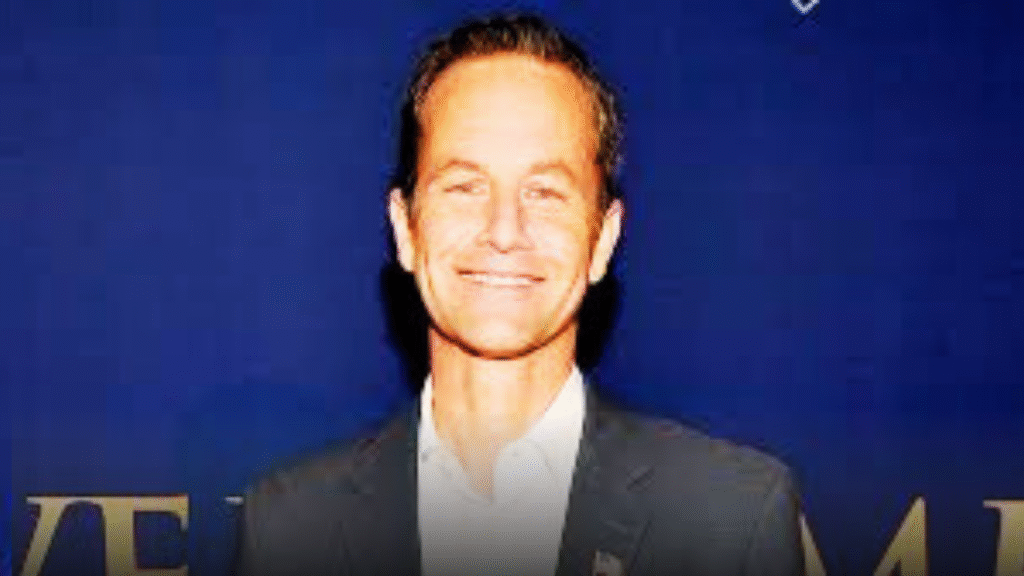
Kirk Cameron was one of the biggest teen idols of the 1980s, starring as the charming troublemaker Mike Seaver on the hit sitcom Growing Pains. He was a fixture on the cover of teen magazines and had a promising film career. His path took a sharp turn after he became a born-again Christian, but his mainstream career vanished after one specific, controversial interview. In 2012, while appearing on Piers Morgan Tonight, Cameron made a series of statements calling homosexuality “unnatural” and “detrimental.” The comments sparked a massive public backlash, with many in Hollywood condemning his views. The scandal solidified his image as a polarizing figure, alienating him from the mainstream entertainment industry. He disappeared from secular roles and now focuses exclusively on producing and starring in faith-based films.
Travis Kalanick
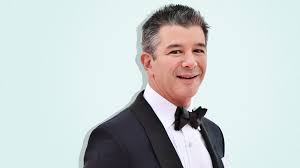
Not all scandals are confined to Hollywood. Travis Kalanick was the co-founder and CEO of Uber, a titan of Silicon Valley who revolutionized transportation. He was the brash, aggressive face of a multi-billion dollar empire. His downfall and subsequent vanishing from the company he built stemmed from a single, caught-on-camera moment. In February 2017, dashcam footage was released that showed Kalanick arguing with an Uber driver over falling fares. Kalanick is seen belittling the driver, arrogantly telling him that some people “don’t like to take responsibility for their own [stuff].” The footage went viral and became a symbol of the company’s toxic “bro culture.” This scandal, combined with other ongoing controversies at Uber, led to a shareholder revolt, and in June of that year, he was forced to resign as CEO, a stunning fall from grace for one of tech’s most powerful figures.
Howard Dean
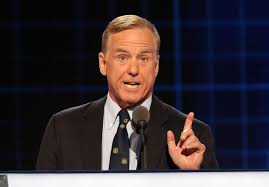
In the lead-up to the 2004 presidential election, Howard Dean was the fiery, anti-establishment frontrunner for the Democratic nomination. He was a fundraising powerhouse and a grassroots phenomenon. His entire campaign, and political future, imploded because of one bizarre sound. After a disappointing third-place finish in the Iowa caucuses, Dean gave a concession speech to rally his supporters. Trying to be heard over the noisy crowd, he ended his speech with a strange, guttural yell that became known as the “Dean Scream.” The clip was played on a continuous loop by news networks, turning a moment of passionate enthusiasm into a national joke. The scream created a media narrative that he was unhinged and unelectable. His poll numbers plummeted, and his campaign never recovered. He vanished from the presidential race, his political career derailed by a single, awkward soundbite.
Sinead O’Connor
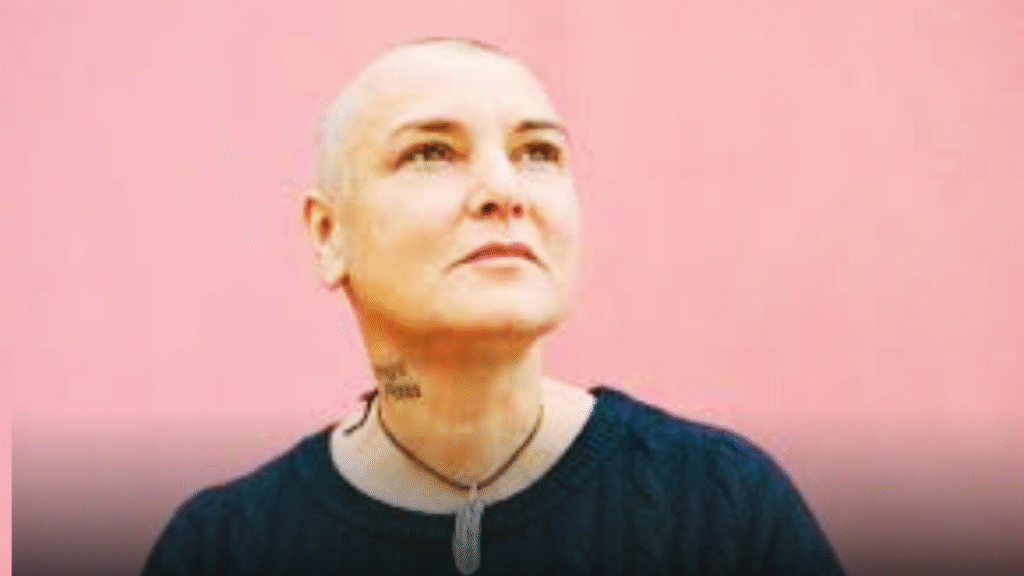
Sinead O’Connor was a critically acclaimed and commercially successful musician in the early 1990s. Her powerful voice and her haunting rendition of “Nothing Compares 2 U” made her an international superstar. Her mainstream career came to a screeching halt due to one of the most controversial moments in television history. On October 3, 1992, while performing on Saturday Night Live, she ended her performance by tearing up a photo of Pope John Paul II while declaring, “Fight the real enemy.” It was a protest against child abuse in the Catholic Church, but at the time, the act was seen as sacrilegious and shocking. She was met with widespread condemnation, booed off the stage at a Bob Dylan tribute concert just weeks later, and was effectively blacklisted by the music industry. She vanished from the charts, a prophet who was punished for speaking an inconvenient truth too soon.
Janet Jackson
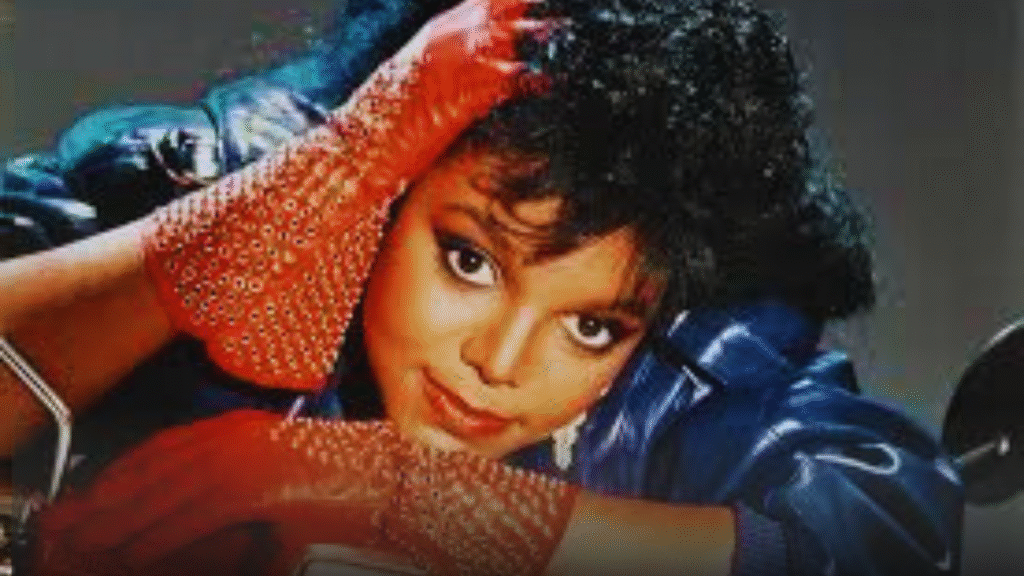
Janet Jackson was, and is, pop royalty. An icon with a string of number-one hits and a legacy of groundbreaking music videos. But for a time, her career was unfairly and unjustly derailed by a scandal that was not even her fault. During the 2004 Super Bowl halftime show, her co-performer, Justin Timberlake, tore a piece of her costume, briefly exposing her breast on live television in what was later called a “wardrobe malfunction.” The moral panic that ensued was immense. But the blame fell almost exclusively on Jackson. She was blacklisted by radio stations and television channels, and her invitation to the Grammy Awards was rescinded. While Timberlake’s career continued unscathed, Jackson was punished and effectively vanished from the mainstream for several years, her career suffering immense damage from a scandal in which she was a victim, not a perpetrator.
The Dixie Chicks (The Chicks)
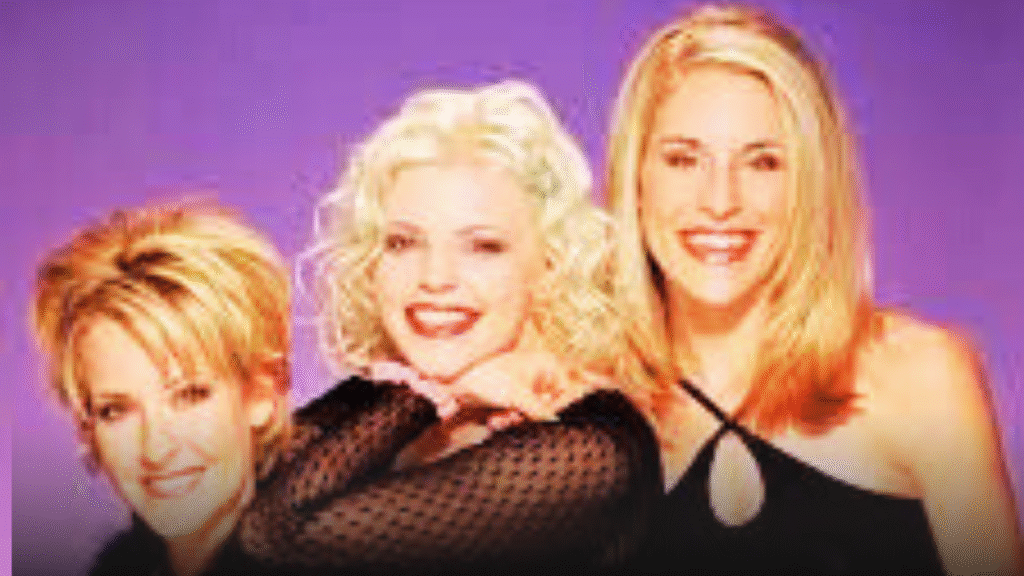
In the early 2000s, The Dixie Chicks were the biggest group in country music. They sold out arenas, won Grammy awards, and dominated the charts. They were the undisputed queens of their genre. Their reign came to an abrupt end because of ten simple words. In March 2003, on the eve of the Iraq War, lead singer Natalie Maines told a London crowd, “We’re ashamed the President of the United States is from Texas.” The backlash in the United States was swift and brutal. Country radio stations boycotted their music, fans publicly destroyed their CDs in organized events, and they received death threats. The massive scandal turned them from country darlings into political pariahs overnight. They vanished from the country music scene that had once adored them, their career permanently altered by a single moment of political honesty.
Lance Armstrong
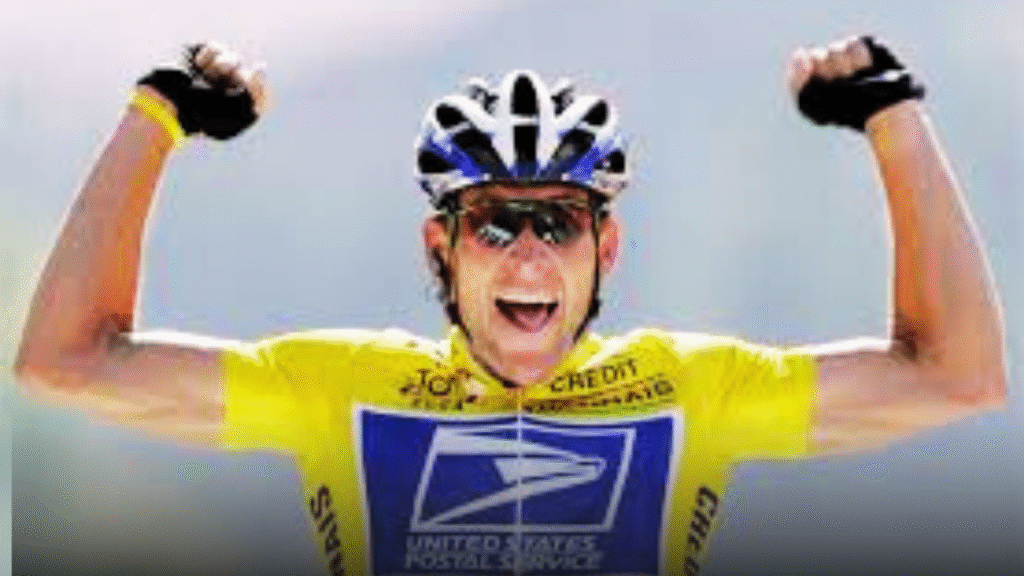
For over a decade, Lance Armstrong was more than an athlete; he was a global inspiration. A cancer survivor who went on to win the Tour de France a record seven consecutive times, his story was one of incredible human triumph. His Livestrong bracelets were a symbol of hope for millions. His entire legacy, however, was built on a lie. After years of denials, the massive, sophisticated doping scandal surrounding his cycling team was finally exposed. The United States Anti-Doping Agency released a report with over 1,000 pages of evidence against him. In a 2013 interview with Oprah Winfrey, Armstrong finally confessed. The fallout was total. He was stripped of all seven of his Tour de France titles, lost all of his corporate sponsorships, and was forced to leave the foundation he created. The hero vanished, replaced by the face of one of the biggest scandals in sports history.
From a racist rant to a single tweet, from a moment of on-stage dishonesty to a devastating revelation of a hidden life, the stories are all different, but the result is the same: instant exile. The court of public opinion can be swift and merciless. These individuals were not just criticized; they were erased from the cultural landscape they once dominated. Their scandals became their entire identity, a permanent stain that no amount of talent or past success could wash away. They are a haunting reminder that in the high-stakes world of fame, the fall is often just one mistake, one word, one horrifying secret away. It proves that no one, no matter how beloved, is truly untouchable.